As we age, our body's GSH production diminishes, leading to a detrimental drop in the cellular functions that help maintain a healthy heart, brain, eyes, liver, kidneys, pancreas, and joints
Considering the intricate differences in characteristics between autism and dyslexia, it is crucial to understand how these nuances shape the experiences and challenges faced by individuals with these neurodevelopmental conditions
M.PolokI.ompieK.et al (2025)
Why Weight Regain Occurs : Biological adaptations that promoted weight gain initially remain present Appetite and food preoccupation often return when medication stopped Metabolic rate may decrease during weight loss (adaptive thermogenesis) Hormonal changes that defend against weight loss persist Long-Term Management : Most individuals require ongoing medication for sustained weight loss maintenance This is similar to other chronic disease treatments (e.g., blood pressure medications) Obesity is a chronic disease requiring long-term management Strong lifestyle habits help minimize regain but may not prevent it entirely Discuss any plans to discontinue medication with healthcare provider to develop appropriate tapering plan and maintenance strategies
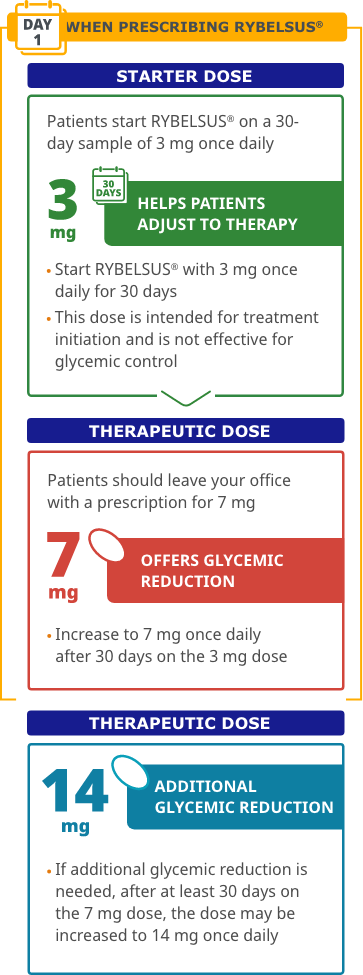
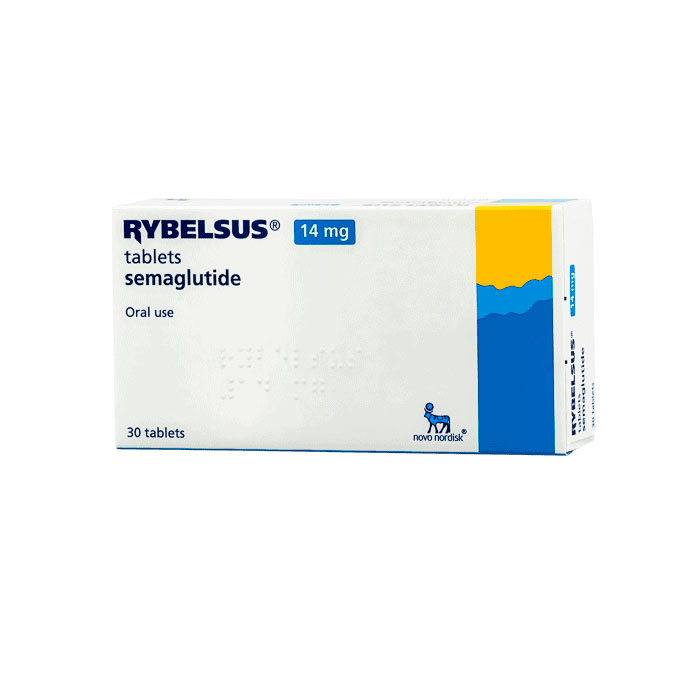
How semaglutide works: the science behind the protocol Understanding the mechanism helps explain why accurate dosing matters so much
It interprets strain as danger and urges you to stop before the useful work begins