Red meat, the authors say, is a "superfood" that provides protein, creatine, glutamine, carnitine, zinc, iron and B6

Reactive oxygen species (ROS), including hydroxyl radicals (OH - ), hydrogen peroxide (H 2 O 2 ), superoxide anions (O 2 ), and lipid peroxides, are molecules highly reactive because of the presence of unpaired electrons ( The oxidant/antioxidant cell balance can by evaluated by several plasma and/or erythrocyte markers ( Oxidative Stress in GH Thyrotoxicosis is a hypermetabolic state characterized by high consumption of intracellular ATP and oxygen, and by dysfunction of the mitochondrial respiratory chain, which leads to saturation of the physiological antioxidant systems, resulting in an uncontrolled production of ROS in peripheral tissues as well as in the thyroid ( in vitro studies have shown that exposure of thyroid cell to H 2 O 2 , particularly when made selenium-deficient, induces DNA double strand breaks, apoptosis, necrosis and mutagenesis ( Animal Studies Studies in animal models suggest that thyrotoxicosis, induced by the administration of triiodothyronine (T3) or thyroxine (T4), promotes oxidative stress as well as the response of the physiological antioxidant machinery ( Human Studies The most relevant clinical studies on the role of oxidative stress in thyroid diseases have been performed in GH patients, either with uncontrolled hyperthyroidism, or after restoration of euthyroidism with antithyroid drugs (ATD) or radioiodine ( in vitro and human studies (46)

Unlike other types of skin cancer, such as basal cell carcinoma or squamous cell carcinoma, melanoma is particularly notorious for its ability to metastasize quickly to other parts of the body, including the lymph nodes, lungs, liver, brain, and bones
Because GLP-1 is intimately linked to energy status, he said, it was plausible that shifting those signals could also modify behaviour
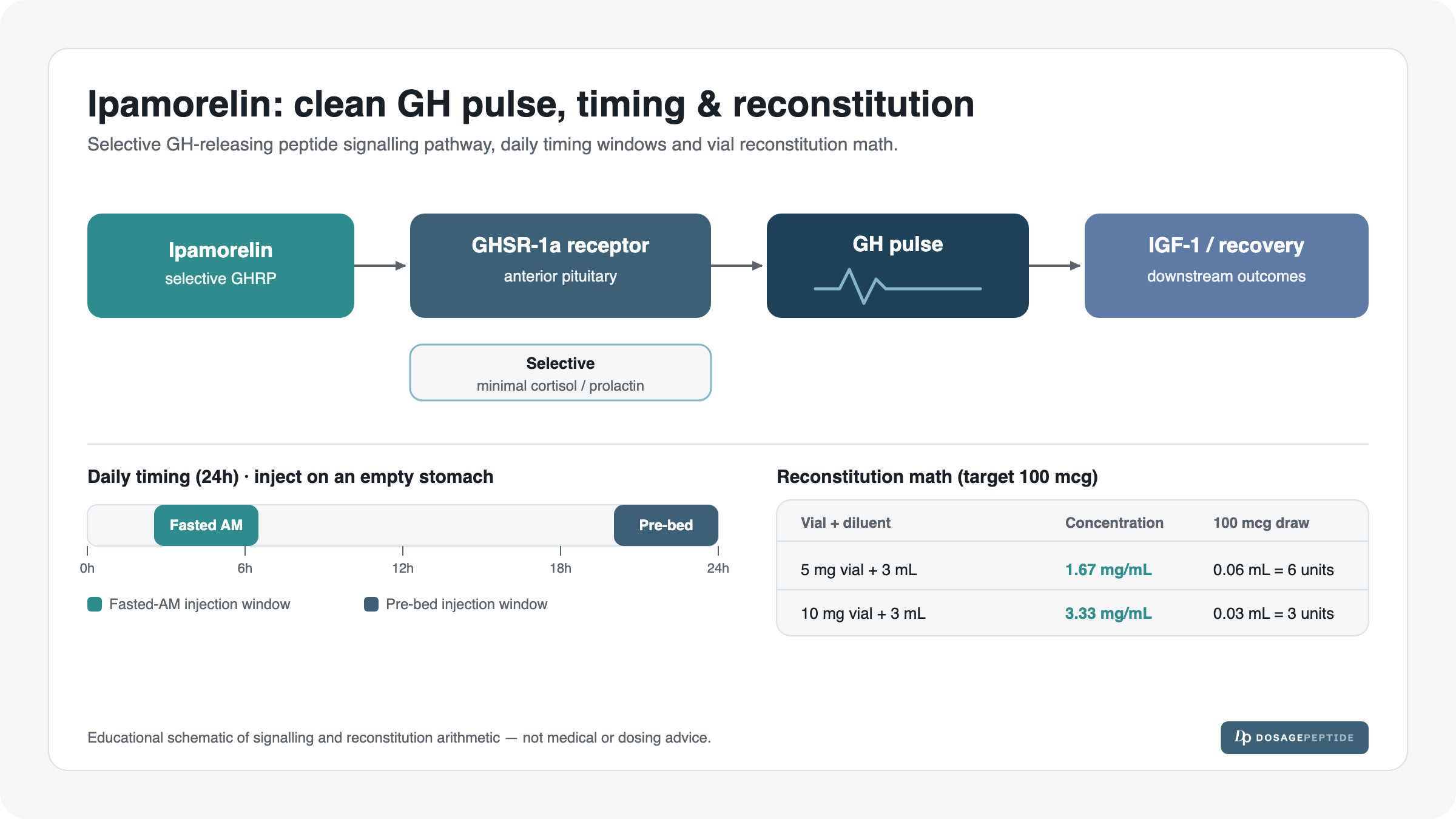
The full protocol at this concentration uses almost the entire syringe by the maximum dose
Previous diagnoses and medications Out of all 45,326 incident patients included within the entire period, 85.8% had at least one of the selected cardiovascular and metabolic diagnoses recorded in primary care or hospitals during 5 years before being dispensed their first GLP-1 RA, whereas 14.2% had not been given any of these diagnoses (Fig