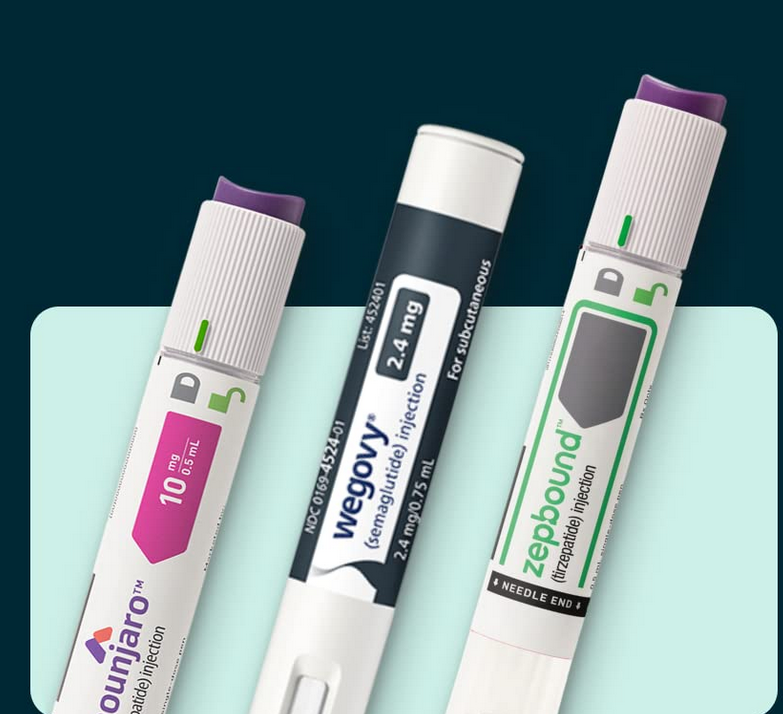
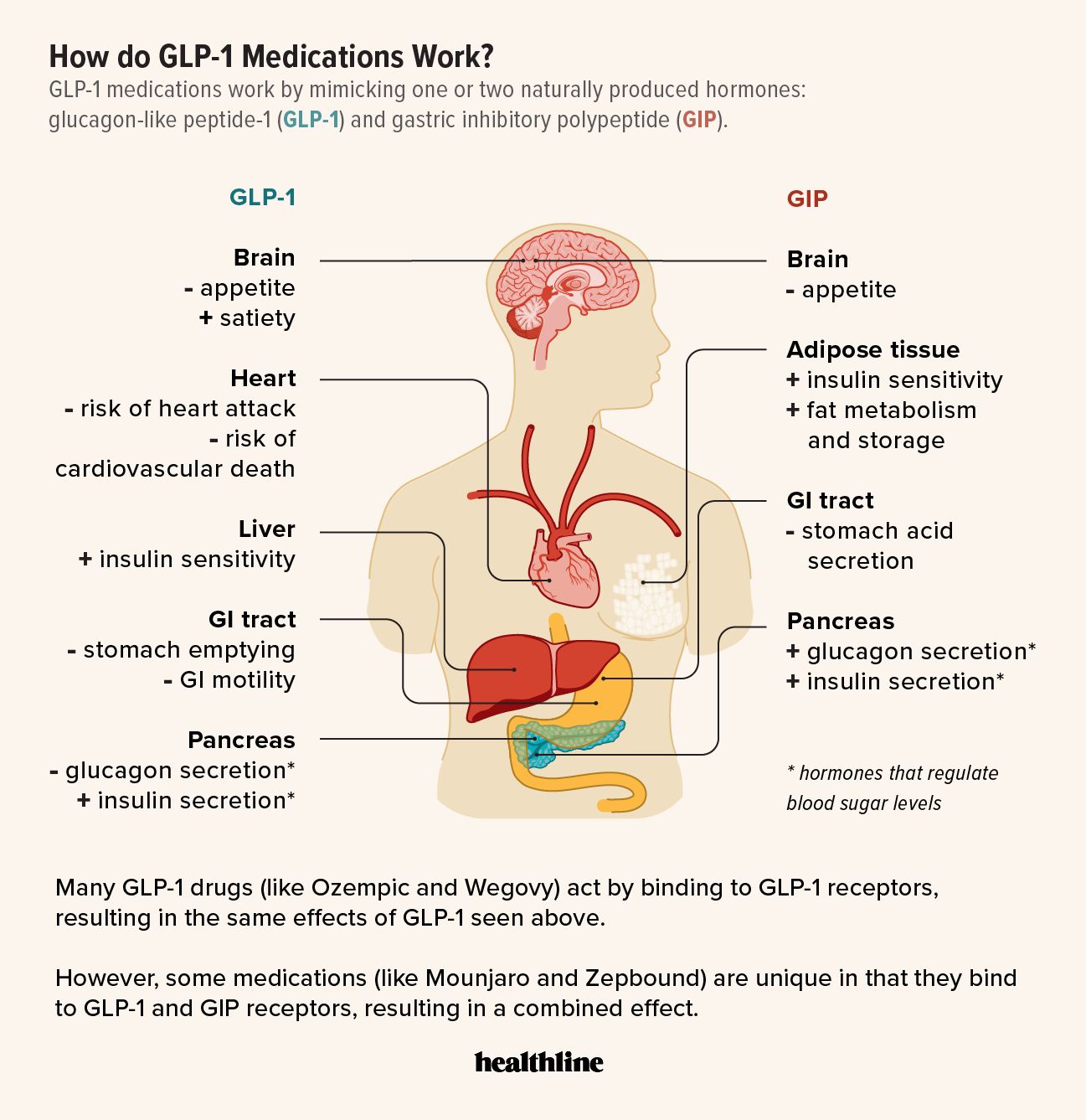
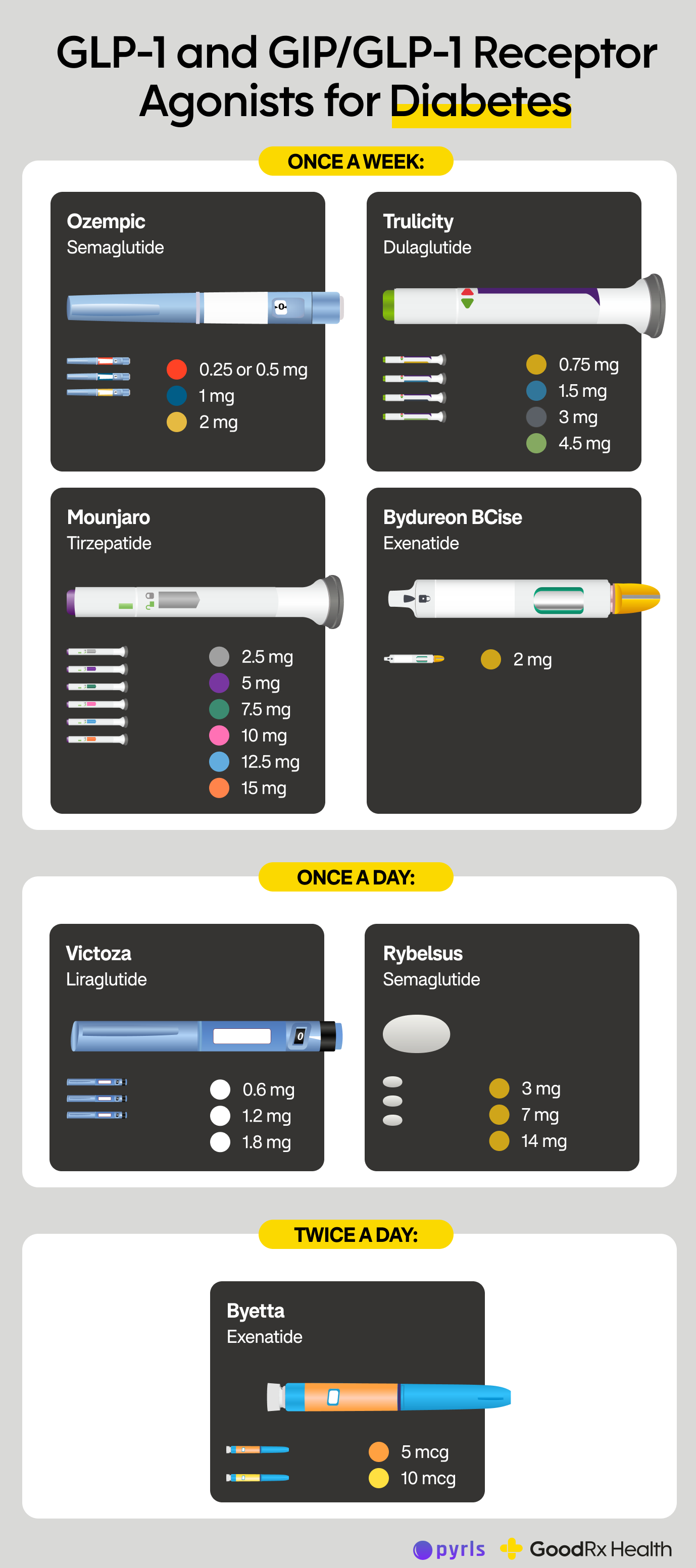
The most robust clinical evidence arguably originates from the large cardiovascular outcomes trials (CVOTs) completed for most GLP-1 RAs, of which the latest showed a significant relative risk reduction (RRR) of 39% (HR) with once-weekly efpeglenatide on HF requiring hospitalisation, corroborating a meta-analysis which found a significant RRR across eight GLP-1 RA CVOTs of 11%
Figure 1 Figure 2 2 Stereotactic radiotherapy for brain metastases: key aspects and evolving strategies 2.1 Stereotactic radiotherapy for oligometastatic and multiple brain metastases 2.1.1 SRT in oligometastatic brain disease Supported by evidence from several large randomized controlled trials (RCTs) ( 2.1.1.1 Histological type The aforementioned RCTs comparing SRS and WBRT enrolled patients with mixed histologies, with a predominant representation of nonsmall cell lung cancer brain metastases (NSCLCBM) ( Melanoma brain metastases (MBM) serve as a typical example
Thermodynamic analyses using ESI-MS revealed that cellular copper transport follows a gradient of increasing binding affinity, with Cu + binding to GSH ( K d~10 13 M) at lower affinity than to dedicated copper chaperones such as antioxidant 1 copper chaperone (ATOX1), copper chaperone for superoxide dismutase (CCS), or cytochrome oxidase copper chaperone COX17 (COX17) 197
Glutathione supports your body by: Neutralizing free radicals and oxidative stress Recycling other antioxidants like vitamin C and E Supporting liver detoxification Even though its blood presence is brief, the cellular antioxidant effects can last several hours to a full day, especially in people with stress, inflammation, or toxin exposure
doi: 10.1046/j.1523-1747.2002.19520.x 47 YoshiokaMSawadaYSaito-SasakiNYoshiokaHHamaKOmotoDet al
Western blot analysis revealed elevated SHP-1 expression and reduced phosphorylated STAT3 (p-STAT3) expression in glioblastoma cells treated with AC compared to controls