Intramuscular Injections Subcutaneous Injections Intramuscular Injections Injection Sites and Techniques Subcutaneous Sites: Intramuscular Sites for Injection : Intramuscular (IM) Injections: IM injections are a method used to administer vaccines, hormonal treatments, antibiotics, and high-viscosity medications directly into the muscle tissue
Additionally, glycine and intermediates of the folate cycle were found to support the biosynthesis of both purines and pyrimidines, which synergized with the regulation of the pentose phosphate pathway to supply ribose for nucleotides

Some notable safety-related conclusions from scientific materials include: A 2016 review of TB4 for dermal healing: The safety profile is excellent, and no preclinical toxicology has been found.22 A 2016 clinical trial on patients with STEMI: Our pilot study suggested that T4-optimized EPC transplantation appeared to be feasible and safe.34 A 2021 review of TB4 research: It was well tolerated and safe in healthy people and suitable for use in a clinical study.21 Though the compound itself may be generally safe for adults to use, some common side effects from TB4 injections reported by patients and doctors include: Injection site reactions (e.g., redness, mild swelling, or pain) Mild gastrointestinal symptoms Headaches and dizziness Rare but more serious side effects can include fever, blistering at the injection site, muscle aches, skin rash, vomiting, severe itching, or hives

Your doctor may send you for imaging tests such as an MRI, CT or ultrasound scan to identify and inflammation or damage to the tendon and/or rule out other shoulder pathologies
Oral supplements are excellent for maintaining NAD levels once theyre up, and for slow, continuous support
Not if you care about the stability, purity, and shelf-life of your peptide solution









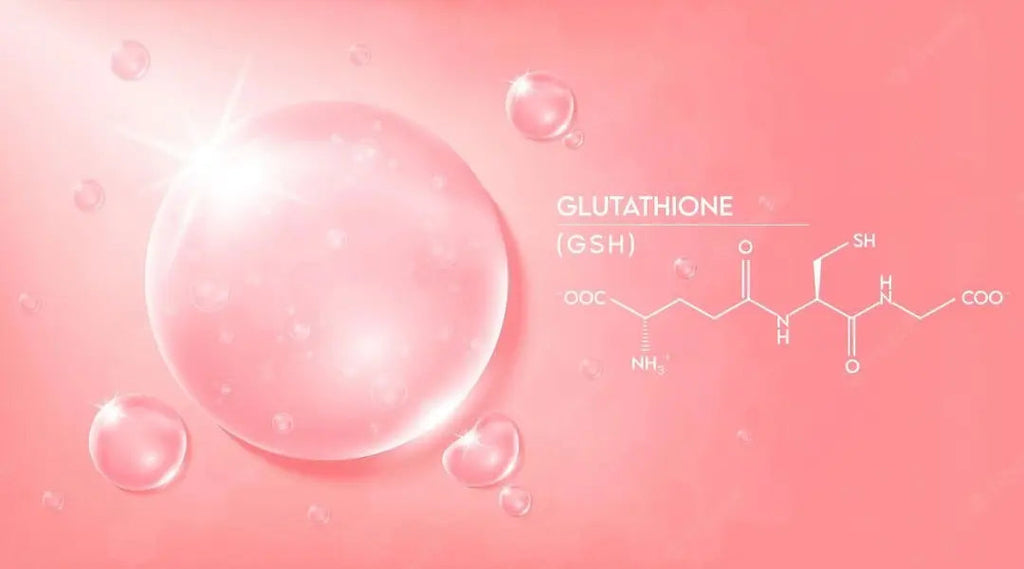







![laminas liposomal glutathione glutathione laminas orales 𝗩𝗶𝘁𝗮𝗺𝗶𝗻 𝗩𝗶𝗹𝗹𝗮𝗴𝗲] 𝗟𝗶𝗽𝗼𝘀𝗼𝗺𝗲 𝗚𝗹𝘂𝘁𝗮𝘁𝗵𝗶𝗼𝗻𝗲 𝗘𝘃𝗲𝗿 𝗙𝗶𝗹𝗺 Glutatión liposomal en film oral para una absorción rápida y eficaz. Este innovador formato en lámina se](https://lookaside.instagram.com/seo/google_widget/crawler/?media_id=3799753057803065484)





![Tubi freno in treccia per Yamaha 600 XJ600 1984 - 1992 (Kit 4 tubi) [Colore rivestimento - Rosso] DUCATI](https://cdn.shopify.com/s/files/1/0888/3044/3868/files/tubi-freno-per-yamaha-600-xj600-1984-1992_4a78b26c-4556-4449-80a8-6f1fec173b11.jpg?v=1738134613)
