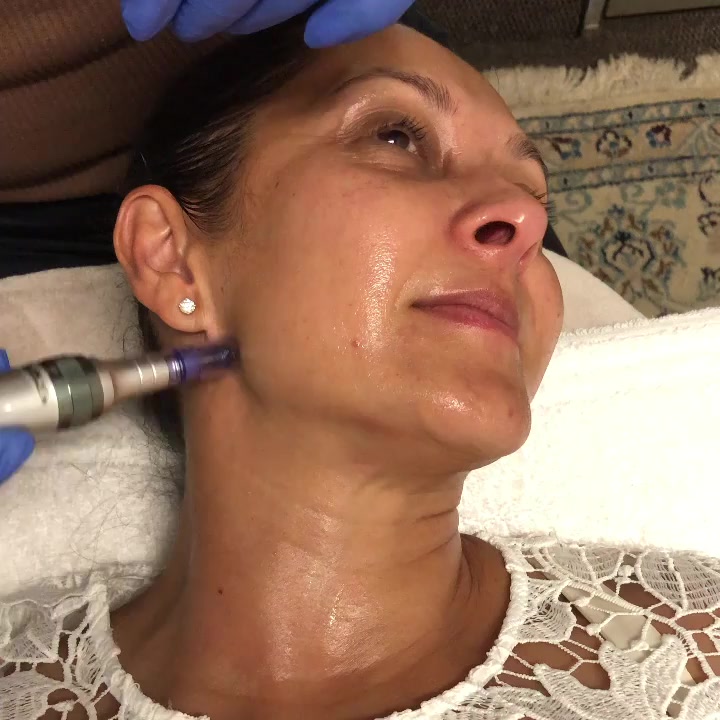
The anti-melanogenic properties of glutathione solution when injected, reduce the production of melanin around the treated area, thus, brightening your skin tone
FIGURE 12 Oxypurinol (Figure 12) is a major metabolite of allopurinol, and it shares similar pharmacological activity (Pacher et al., 2006)
A lightweight moisturizer supports the skin barrier, helping reduce irritation and redness that can lead to breakouts
others take 2-3 weeks Mild injection site reactions (if applicable) are common and self-limited Phase 3: Active Healing Phase (Weeks 3-8) Progressive improvement in symptoms For musculoskeletal conditions, this is the optimal window for physical therapy and rehabilitation For GI conditions, patients often begin reintroducing previously problematic foods Phase 4: Consolidation (Weeks 9-12+) Continued structural healing Transition to maintenance dosing if appropriate Decision point for stacking with TB-500 if additional systemic support is needed Phase 5: Transition and Maintenance Tapering off peptides after goal achievement Maintenance protocols for chronic conditions (e.g., 3 months on, 1 month off) Coordination with long-term wellness strategies (nutrition, exercise, stress management) For more information on conditions that may benefit from this approach, visit my Conditions Treated page

S-Acetyl-L-Glutathione: Once absorbed, S-Acetyl-L-Glutathione is converted back into glutathione within cells, thereby providing the same antioxidant and detoxifying benefits as regular glutathione
Moreover, CoQ10 treatment (300 mg/d, P.O for 30 days) induced a significant increase in the GSH/GSSG ratio and a remarkable reduction in MDA concentration in the red blood cells of healthy adults [179]