The data search yielded 139 potential patients at both endocrine outpatient clinics, of whom 123 gave written informed consent
Dietary interventions form a cornerstone of IBS management: General dietary advice : Regular meal patterns, adequate hydration (8 glasses of fluid daily), limiting caffeine and alcohol, and reducing fatty or spicy foods Fibre modification : Soluble fibre (such as ispaghula/psyllium) may help, whilst insoluble fibre (bran) can worsen symptoms Low FODMAP diet : A structured elimination and reintroduction protocol, supervised by a registered dietitian, can identify specific carbohydrate triggers Probiotics : Certain strains may provide benefit, though evidence varies Pharmacological treatments are tailored to predominant symptoms: For IBS-D : Loperamide (antimotility agent) for diarrhoea
Protecting your mitochondria is crucial to good health and high energy levels
Pandya CD, Kutiyanawalla A, Pillai A
Online Pharmacies 87 17.3
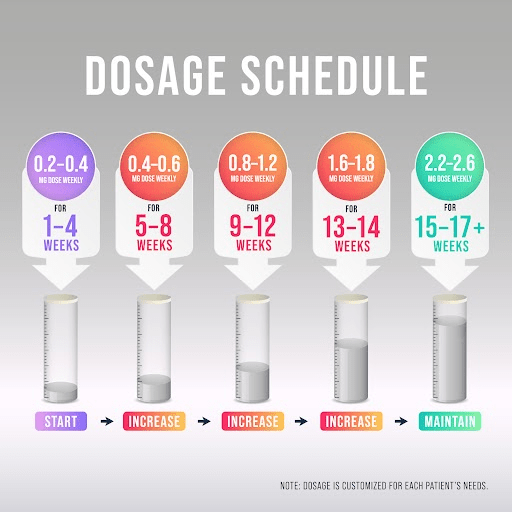
We monitor your progress, manage side effects, and make necessary adjustments to your plan