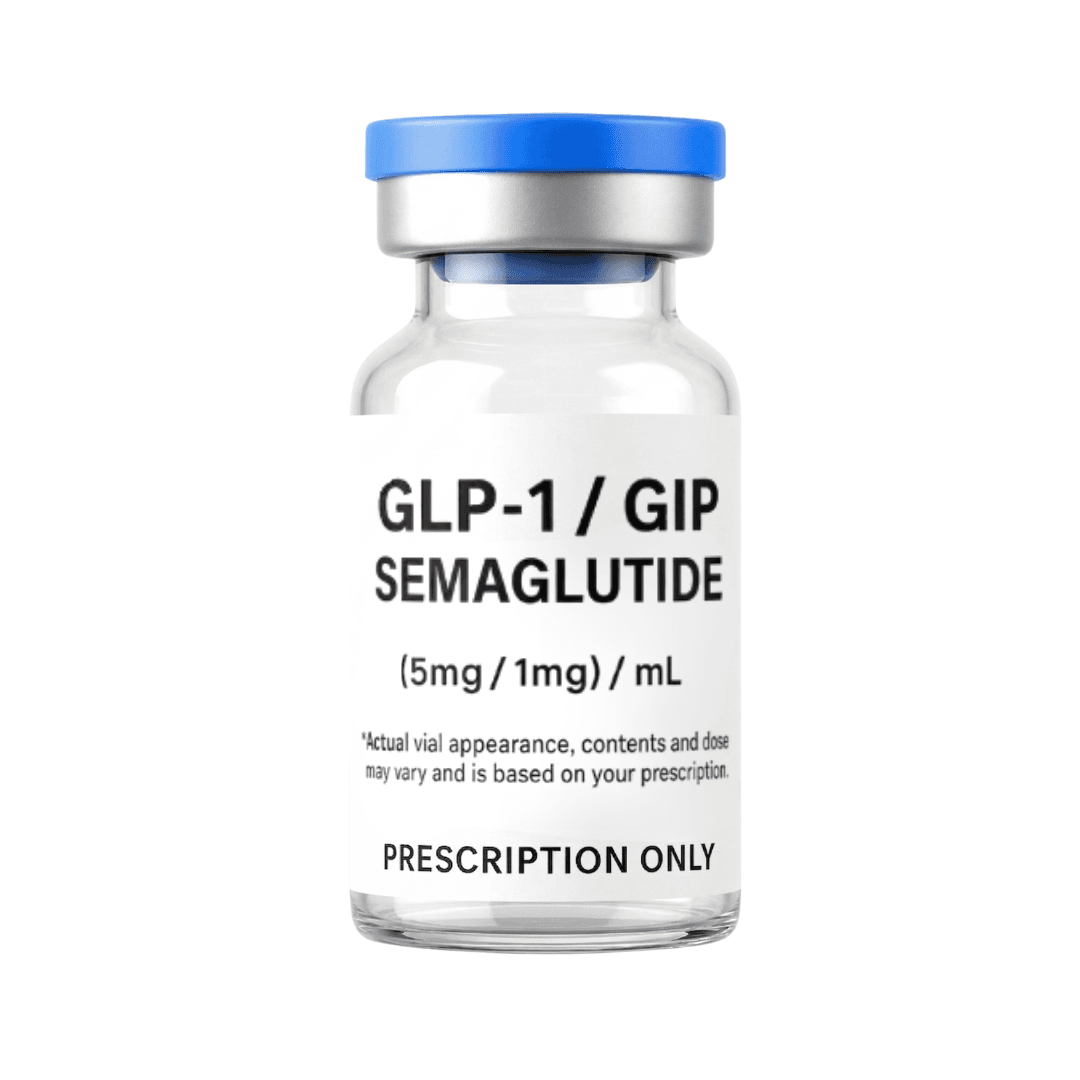
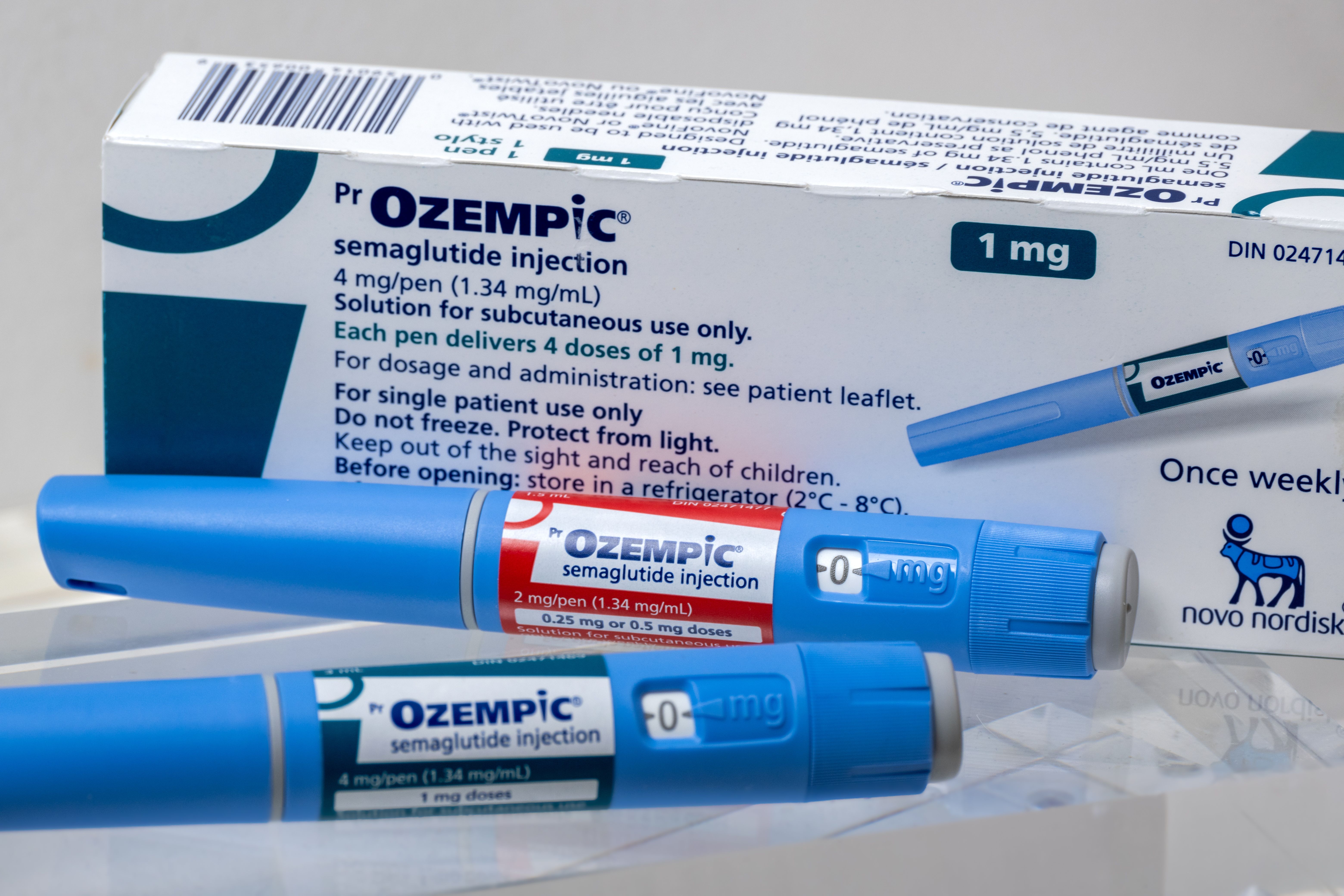
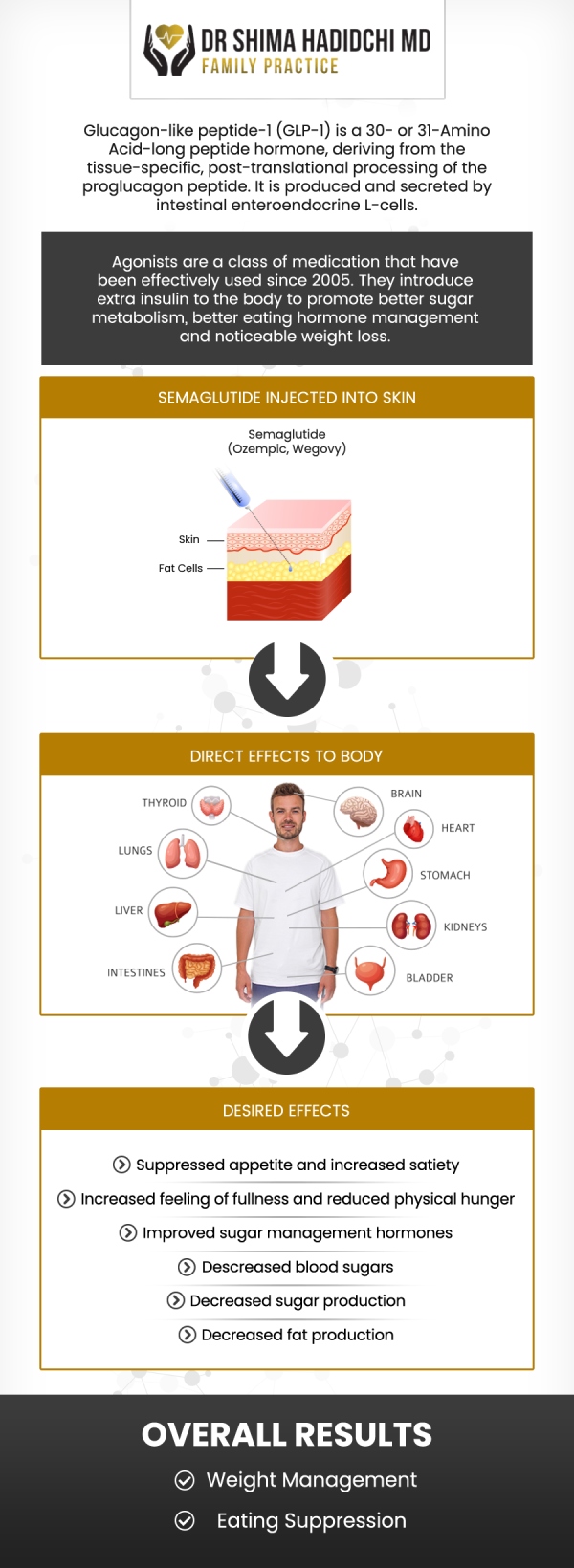
Based on the STEP 1 clinical study, the semaglutide-treated group reported weight loss beginning with the first assessment after randomization at week 4, reaching its lowest reported weight loss at week 60.[2,4] STEP 1 included 1961 patients randomly assigned to treatment with semaglutide or placebo combined with diet and exercise.[4] Dosage Forms And Strengths Semaglutide is currently available as a clear and colorless injectable solution.[2] The injections come in five different pre-filled, disposable, and single-dose pens[2]: 0.25 mg/0.5 mL 0.5 mg/0.5 mL 1 mg/0.5 mL 1.7 mg/0.5 mL 2.4 mg/0.5 mL Safety Common side effects of semaglutide are gastrointestinal-related.[2,5] These are nausea, vomiting, and diarrhea
Others find systemic injections (in the abdomen) to be just as effective and much simpler to administer
Trials currently underway on several new drugs in PWS patients (ie, setmelanotide, GLP-1 agonists, AZP-531, oxytocin, diazoxide, etc) show promising results, giving rise to much hope in the not too distant future
No downtimereturn to work or the gym immediately
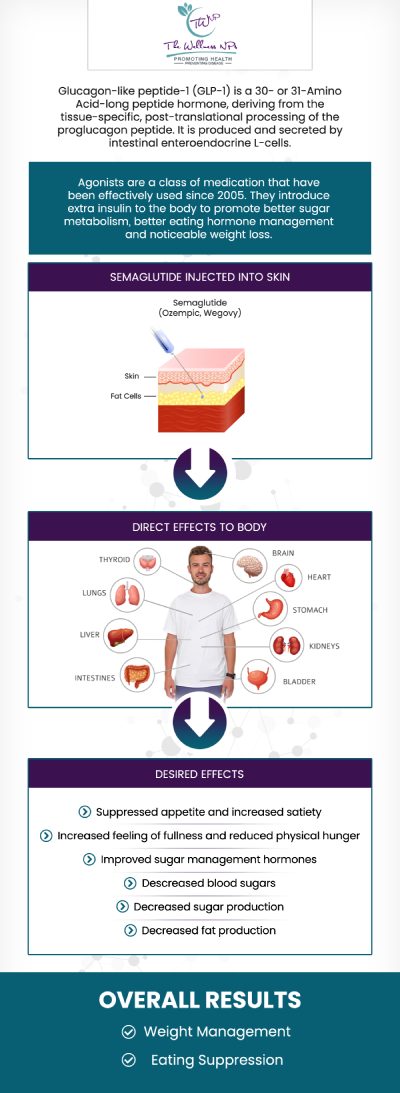
**Mechanism of glycemic control** GLP-1 is a physiological hormone that promotes glycemic control via several different mechanisms, including insulin secretion, slowing gastric emptying, and reducing postprandial glucagon secretion
Use only as prescribed