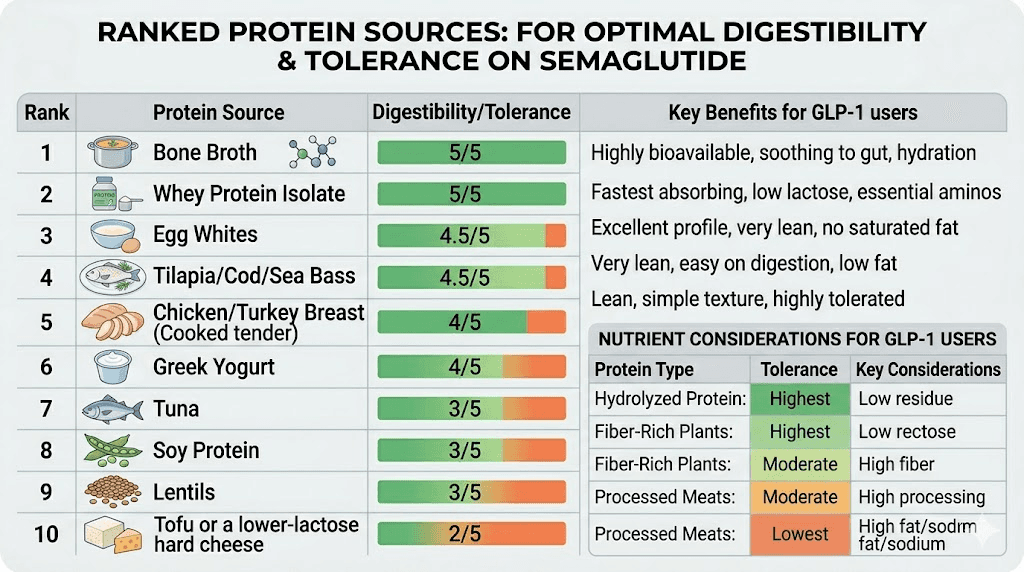
Phase 1: During tapering Ensure adequate protein intake Adopt a sustainable low-carbohydrate or ketogenic diet and begin tracking ketones, along with glucose if you have diabetes or prediabetes Incorporate exercise, especially resistance training Phase 2: First 48 weeks after stopping Expect appetite to increase Maintain regular, structured meals using keto-friendly recipes Continue monitoring metabolic trends Phase 3: Long-term maintenance Use periodic tracking of your weight, ketones and/or glucose as needed Adjust food intake and activity based on your results How to Know If Youre Maintaining Fat Loss The Role of Muscle in Long-Term Success Preserving lean mass is an important component of long-term weight maintenance
Histophathology is characterized by a gross underdevelopment of muscle tissues
Epileptic children with disturbed trytophan metabolism treated with vitamin B6
It is often used by those looking to support a healthy, even skin tone and a natural "glow" from the within
Preclinical, randomized phase 1, and compassionate use evaluation of REGN4461, a leptin receptor agonist antibody for leptin deficiency
From erythroblasts to mature red blood cells: organelle clearance in mammals