GLP-1 and Anxiety: What the Evidence Shows Glucagon-like peptide-1 (GLP-1) receptor agonists, including semaglutide and liraglutide, are licensed for managing type 2 diabetes and weight-related conditions
Zhang W, Nuki G, Moskowitz RW, Abramson S, Altman RD, Arden NK, Bierma-Zeinstra S, Brandt KD, Croft P, Doherty M, Dougados M, Hochberg M, Hunter DJ, Kwoh K, Lohmander LS, Tugwell P (2010) OARSI recommendations for the management of hip and knee osteoarthritis: part III: changes in evidence following systematic cumulative update of research published through January 2009
These are usually temporary and manageable
For weight management, NHS use follows specific NICE technology appraisals (such as TA875 for semaglutide and TA664 for liraglutide) and typically requires specialist service involvement
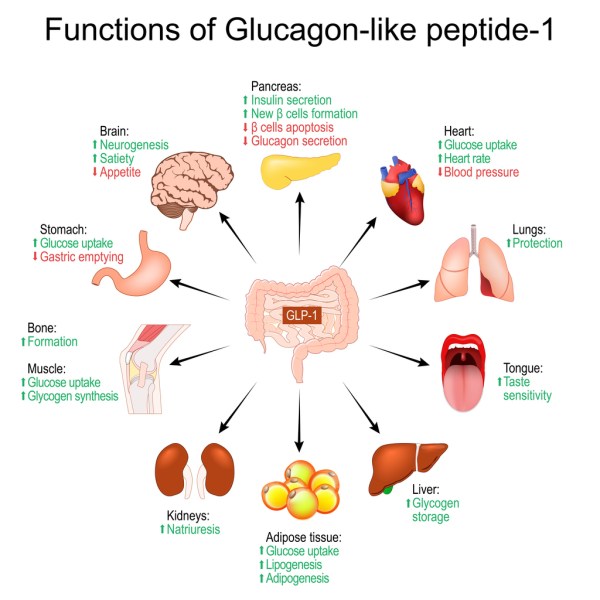
These medications stimulate the pancreas to release insulin in response to meals, helping patients achieve stable glucose levels
The current medications vary in mechanism and magnitude: Semaglutide (Ozempic) targets GLP-1 receptors - around 15% average weight loss Tirzepatide (Mounjaro) targets GLP-1 + GIP - around 20% weight loss, often better GI tolerance Retatrutide (Phase 3 Trials) targets three receptors around 24% weight loss in trials, with broader metabolic effects The real risk is muscle mass loss