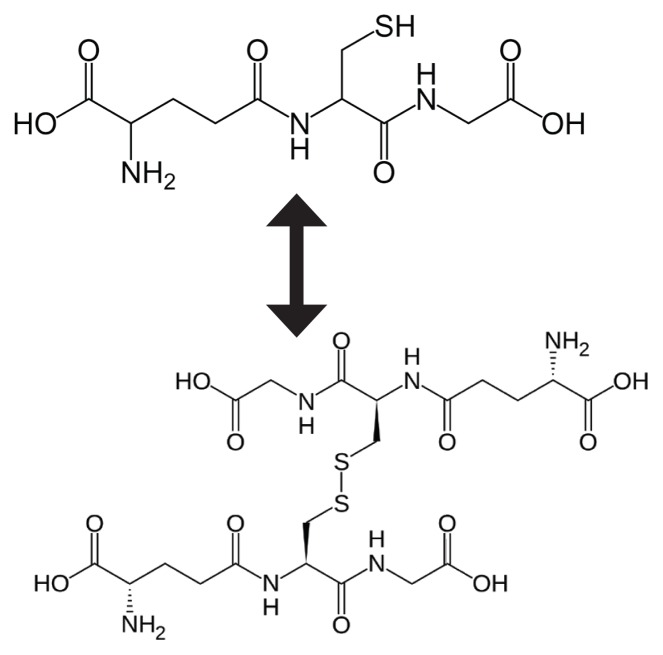
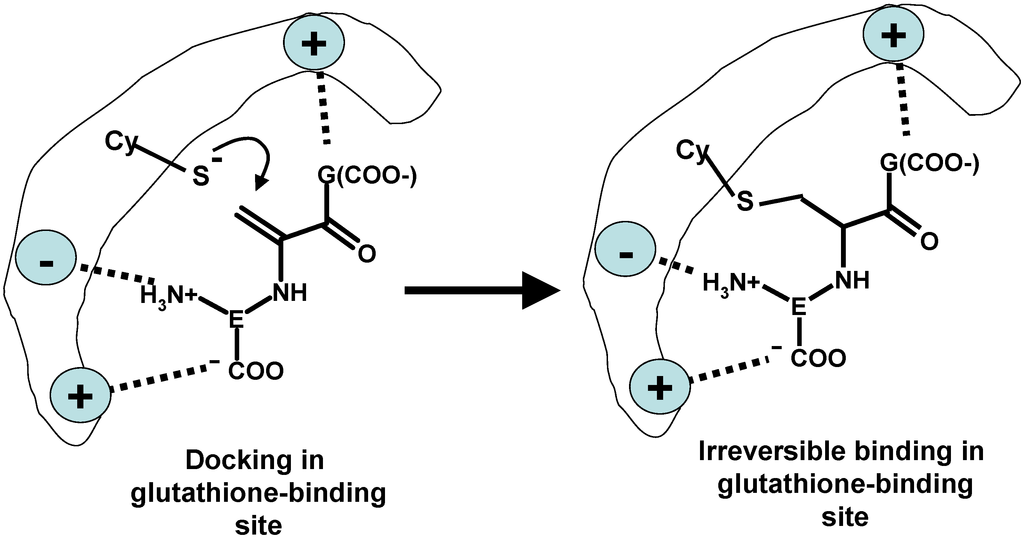
Kinetics parameters The K m value for GSH was obtained by reacting about 0.5 g of purified mammalian e-GSTs with variable amounts of GSH (from 0.02 to 2 mM) in the presence of 1 mM CDNB, in 0.1 M potassium phosphate buffer, pH 6.5 (25 C)
Understanding how much bacteriostatic water to add is critical for accurate dosing
For researchers interested in growth hormone releasing peptides, understanding how they compare to other testosterone-supporting peptides and ipamorelin (another growth hormone secretagogue) provides useful context

FOXO4-DRI Key Research Facts Full name: FOXO4 D-Retro-Inverso peptide (FOXO4-DRI) Classification: Cell-penetrating senolytic peptide FOXO4/p53 protein-protein interaction inhibitor Design: D-retro-inverso isoform of FOXO4s p53-binding domain reversed sequence with all D-amino acids Binding target: p53 transactivation domain 2 (TAD2) displaces FOXO4 from the FOXO4-p53 complex Mechanism: FOXO4-DRI binds p53 TAD2 p53 nuclear exclusion p53 mitochondrial translocation BAX activation caspase-3 cleavage senescent cell-selective apoptosis Selectivity basis: FOXO4 is upregulated in senescent cells but expressed at low levels in most non-senescent adult cells selectivity is mechanistically conferred D-amino acid advantage: Proteolytic stability resistant to intracellular peptidases that would rapidly degrade equivalent L-amino acid sequences Structural characterisation: NMR structural models of FOXO4-DRI/p53TAD2 complex resolved (Nature Communications, 2025) confirms disordered-to-ordered transition upon binding Research cell types studied: IMR90 fibroblasts, TM3 Leydig cells, endothelial cells, chondrocytes, keloid fibroblasts, HCT116 cancer cells In vitro working concentration: 25 M used in multiple published studies for senescent cell apoptosis induction What Does FOXO4-DRI Do in Research

Plateaus often last several weeks and frequently resolve with appropriate medical guidance and small lifestyle adjustments
Here is the critical technique: inject the water slowly down the inside wall of the vial