Several drugs and dietary factors can deplete glutathione, including: Acetaminophen, NSAIDs, DL-buthionine-S, R-sulfoximine, menadione (vitamin K3), and sodium deoxycholate
Keeping a symptom diary can be a helpful tool
Set goals and stick to them
The studys methodology and findings revealed data points: Among 710 type 2 diabetes patients, 17 semaglutide users developed NAION versus only 6 non-users, despite similar baseline characteristics In the weight loss cohort of 979 patients, NAION occurred in 20 semaglutide users compared to 3 in the control group Cumulative NAION incidence over 36 months reached 8.9% for diabetic semaglutide users versus 1.8% for non-GLP-1 medications Weight loss patients showed 6.7% NAION incidence with semaglutide versus 0.8% without Manual chart review by neuro-ophthalmology specialists ensured diagnostic accuracy often lacking in larger database studies Risk persisted after controlling for known NAION risk factors including age, sex, hypertension, and sleep apnea The biological plausibility of semaglutide-induced NAION stems from multiple proposed mechanisms that researchers continue investigating

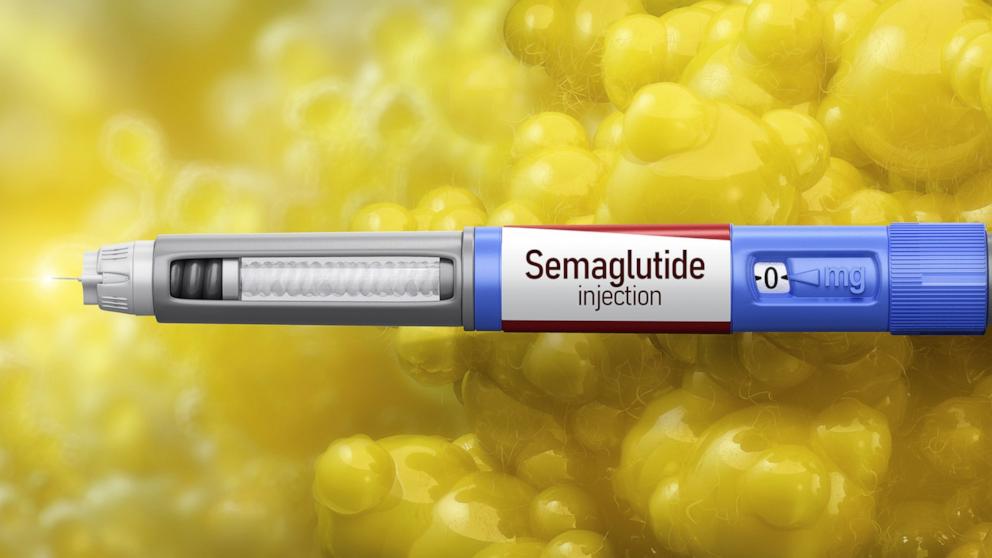
Through such effects, semaglutide also aids in reducing adipose tissue due to the forced mobilization of stored triglycerides for energy production
Ongoing research promises further novel applications, including neuroprotection and addiction