Peptides (1986) 3
A: SHIP and DSRIP can be considered synergistic
Injectable Protocol (IM/SubQ) Intramuscular and subcutaneous glutathione injections are the most common non-IV route documented in functional medicine literature
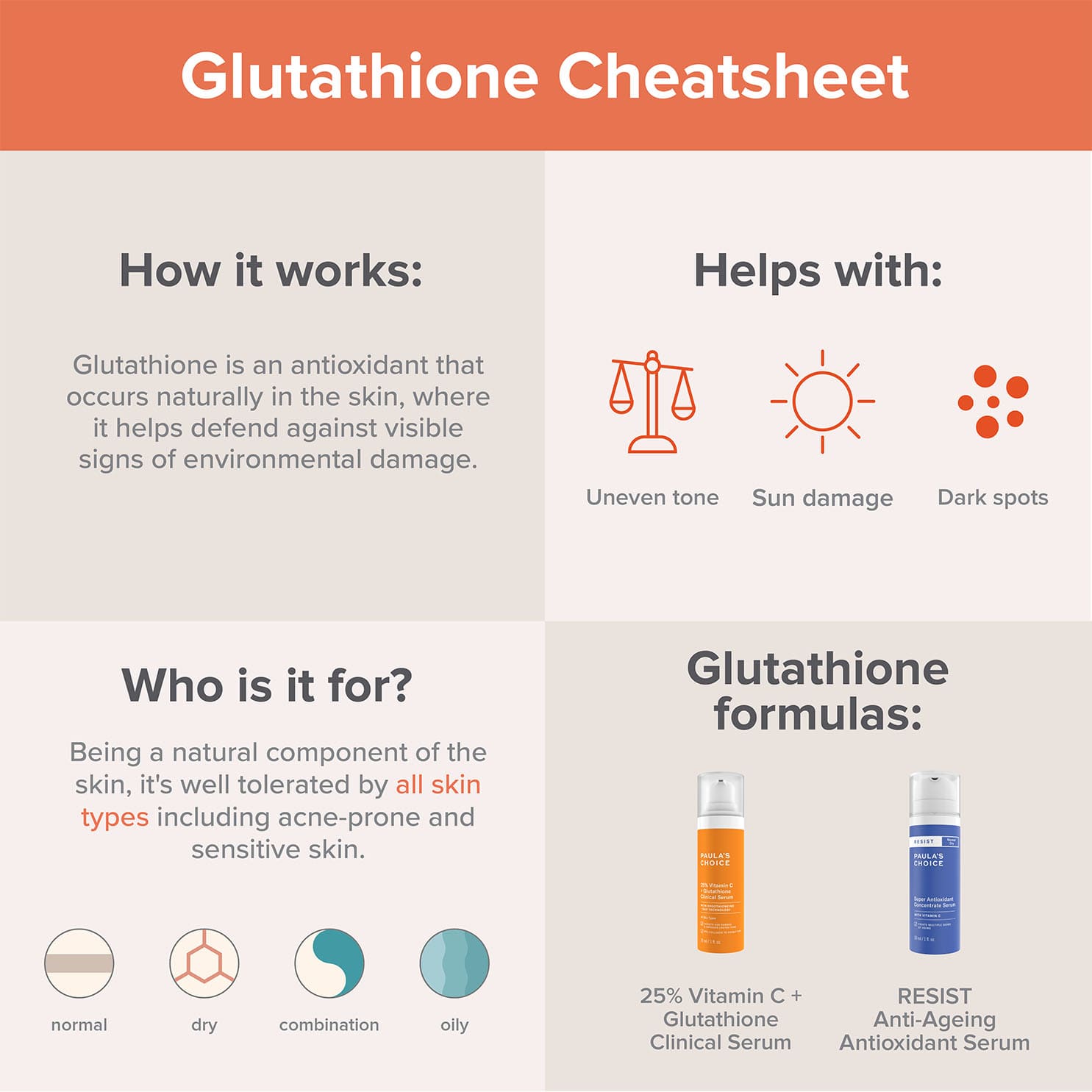
FAQs What foods are high in glutathione
Other viscosity enhancing agents compatible with the targeted auris structure include, but are not limited to, acacia (gum arabic), agar, aluminum magnesium silicate, sodium alginate, sodium stearate, bladderwrack, bentonite, carbomer, carrageenan, Carbopol, xanthan, cellulose, microcrystalline cellulose (MCC), ceratonia, chitin, carboxymethylated chitosan, chondrus, dextrose, furcellaran, gelatin, Ghatti gum, guar gum, hectorite, lactose, sucrose, maltodextrin, mannitol, sorbitol, honey, maize starch, wheat starch, rice starch, potato starch, gelatin, sterculia gum, xanthum gum, gum tragacanth, ethyl cellulose, ethylhydroxyethyl cellulose, ethylmethyl cellulose, methyl cellulose, hydroxyethyl cellulose, hydroxyethylmethyl cellulose, hydroxypropyl cellulose, poly(hydroxyethyl methacrylate), oxypolygelatin, pectin, polygeline, povidone, propylene carbonate, methyl vinyl ether/maleic anhydride copolymer (PVM/MA), poly(methoxyethyl methacrylate), poly(methoxyethoxyethyl methacrylate), hydroxypropyl cellulose, hydroxypropylmethyl-cellulose (HPMC), sodium carboxymethyl-cellulose (CMC), silicon dioxide, polyvinylpyrrolidone (PVP: povidone), Splenda (dextrose, maltodextrin and sucralose), or combinations thereof

Alcoholic liver disease Patients with alcoholic liver disease are known to have low hepatic and plasma GSH levels (Vendemiale et al., 1989