Nandi, A
It has been suggested that the first step in blocking mitochondria trafficking along the axon is carried out by the Ca 2+ -dependent release of mitochondria from microtubules involving the combined actions of the key adaptors of kinesins and dyneins, Miro/Milton, and syntaphilin (SNPH) [46, 47]
The presence of a disulfide bridge, combined with the addition of tyrosine at the N-terminus, significantly enhances the peptides stability, making it orally active [8]
[Homocysteine metabolism and risk of cardiovascular diseases: Importance of the nutritional status on folic acid, vitamins B6 and B12] Rev
it extends to non-histone proteins, thereby influencing a variety of cellular processes
They: Produce collagen Organize extracellular matrix Restore tensile structure In experimental tendon transection models, BPC-157 has been associated with: Increased fibroblast density Enhanced migration into injury site Accelerated granulation tissue formation Proposed signalling involvement includes: FAK (Focal Adhesion Kinase) activation ERK1/2 signalling Src pathway modulation FAK signalling is particularly important because it regulates: Cell adhesion Cytoskeletal reorganization Migration along collagen scaffolds Tendon strength depends not just on collagen quantity but alignment









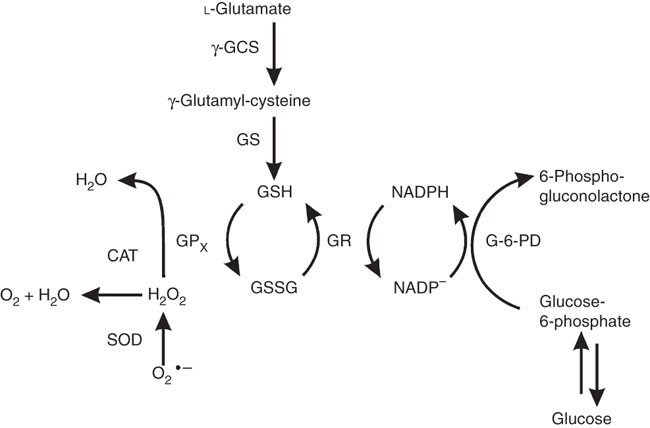
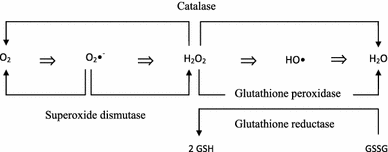

![PDF] Catalase and glutathione peroxidase are equally active in detoxification of hydrogen peroxide in human erythrocytes](https://figures.semanticscholar.org/e57b719abf8498181e0be7902735507a49da0e4f/2-Figure1-1.png)