The choice often depends on individual health profiles, weight loss goals, and potential side effects
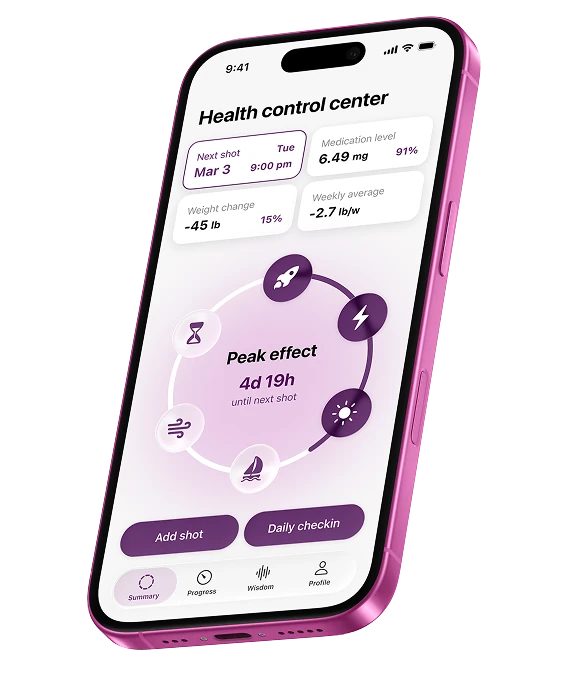
keeping a food diary can be helpful Practical management tips: Take Mounjaro at a consistent time each week, ideally when you can rest if nausea occurs Consider ginger tea, which some patients find helpful for nausea (discuss with your pharmacist first) Remain upright for at least 30 minutes after eating to reduce reflux symptoms If constipation occurs, increase dietary fibre gradually and maintain adequate fluid intake For persistent nausea, your GP may prescribe anti-emetic medication, though these have important restrictions: Metoclopramide should only be used for short-term treatment (maximum 5 days) [12] [13] Domperidone has cardiac safety restrictions and is only appropriate for certain patients after careful assessment [15] Dose titration considerations: Mounjaro is initiated at a low dose (2.5 mg weekly) and gradually increased every four weeks to minimise side effects
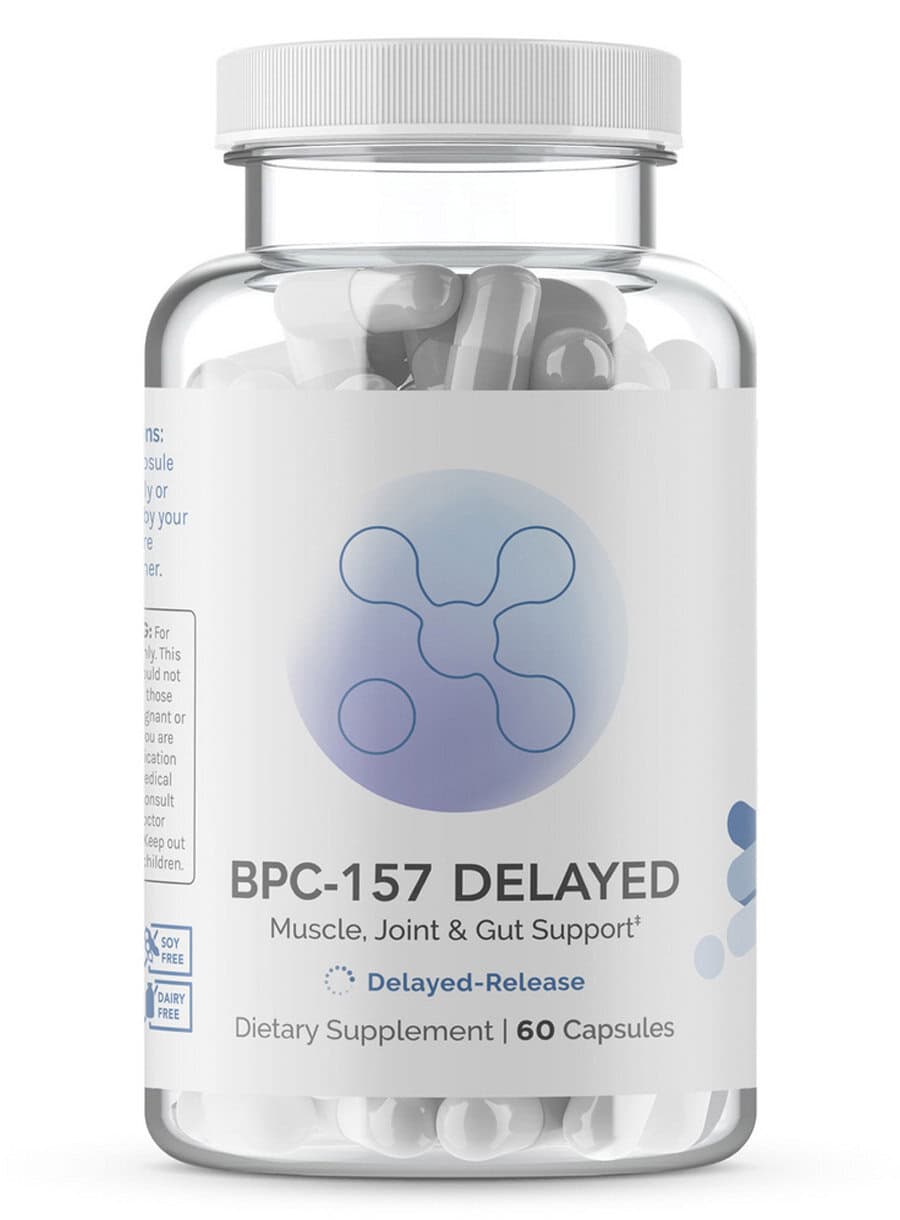
Clean-label: gluten-free, soy-free, dairy-free, and free from artificial preservatives
Severe Gastrointestinal Adverse Reactions Use of OZEMPIC has been associated with gastrointestinal adverse reactions, sometimes severe [see ADVERSE REACTIONS ]
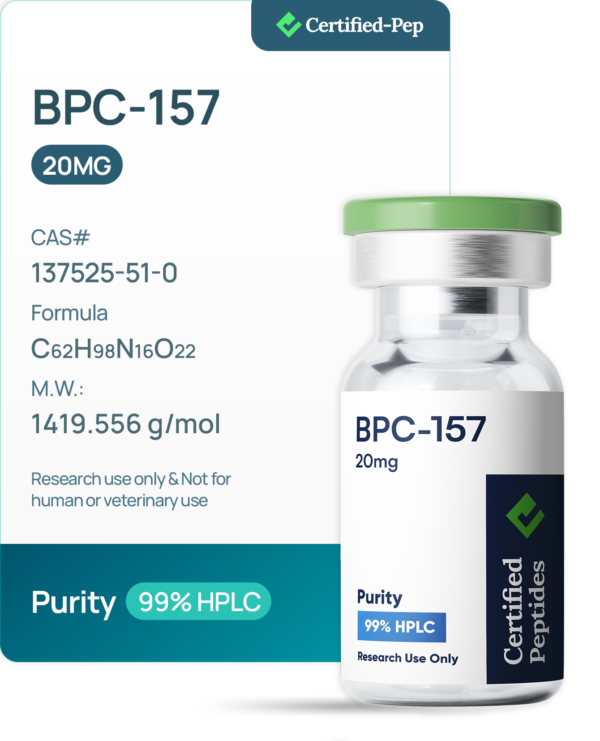
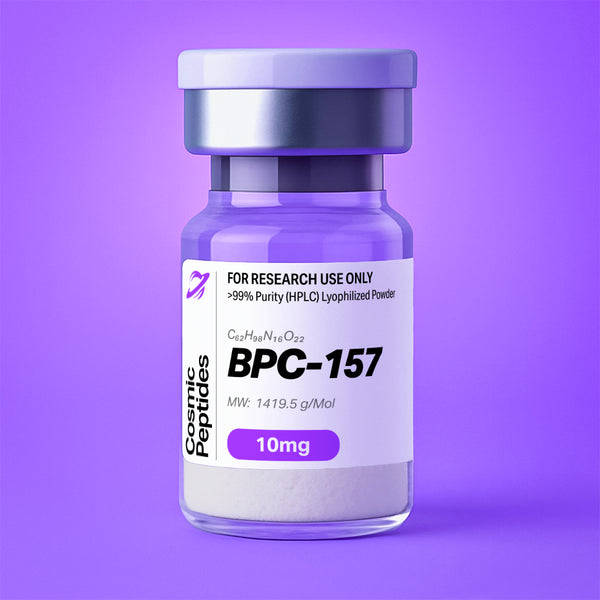
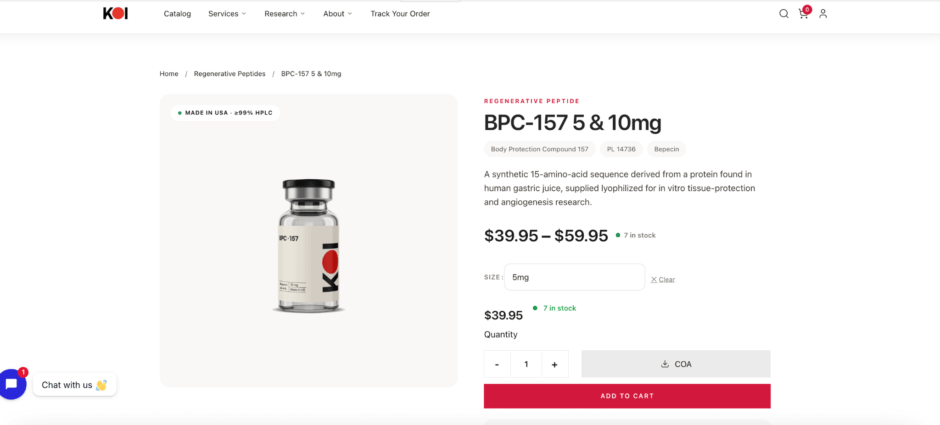
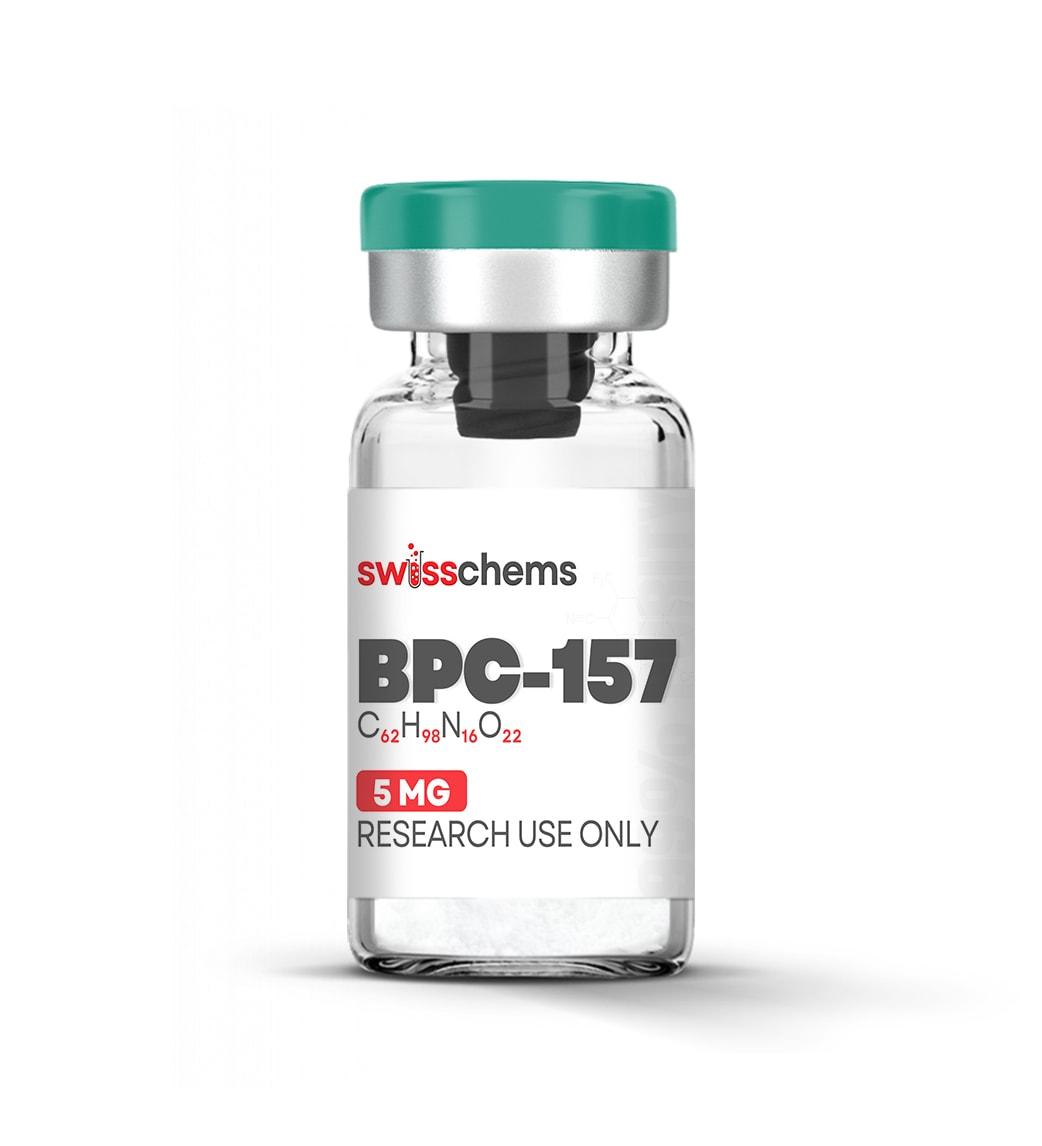
Depending on your specific goals, we support two distinct pathways for BPC-157 therapy: Systemic & Gut Health (Oral Supplementation) For daily wellness, reduced systemic inflammation, and gut repair, we proudly link our patients to InfiniWell
Understanding these aspects can help ensure a safer and more effective treatment experience











_(1)12.jpg)