Not relevant for the typical post-menopausal patient but worth stating explicitly
The symptoms often follow a pattern where: Many patients report improvement in nausea and malaise after the first few weeks Symptoms often become more manageable or resolve completely with continued treatment Some patients may experience mild symptoms that persist longer, though these typically become less bothersome over time Factors affecting duration: Several variables influence how long symptoms persist: Dose escalation schedule slower titration (gradual dose increases) typically results in fewer and shorter-lasting symptoms Individual sensitivity some patients are more susceptible to gastrointestinal side effects Concurrent medications other drugs affecting the GI tract may prolong symptoms Dietary habits eating patterns and food choices can influence symptom severity and duration It is worth noting that symptoms may temporarily recur when the dose is increased according to the recommended schedule (which varies by product weekly for liraglutide, every 4 weeks for weekly semaglutide), but subsequent episodes are often less severe than the initial experience

The net result is the tendency to increase body weight
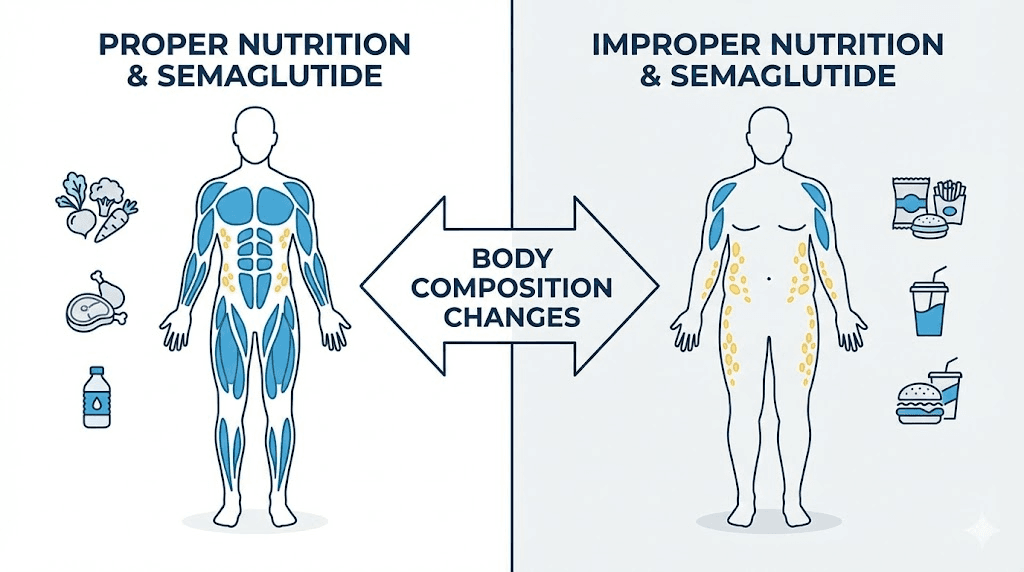
Given the emerging concern around potential muscle loss, strategies to mitigate reductions in FFM during pharmacologically induced BW loss should be prioritized
Cysteine, the central amino acid in glutathione, contains a carbon atom that is bonded to a sulfur-hydrogen functional group
Non-Starchy Vegetables (Half Your Plate) Cooked vegetables digest more easily than raw during the first weeks of treatment













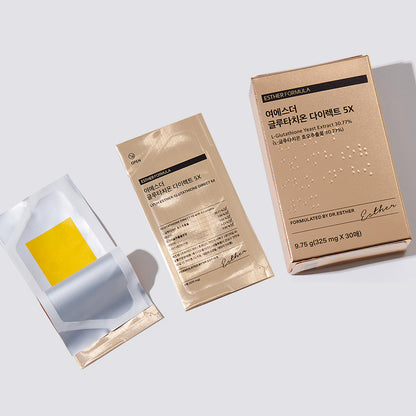
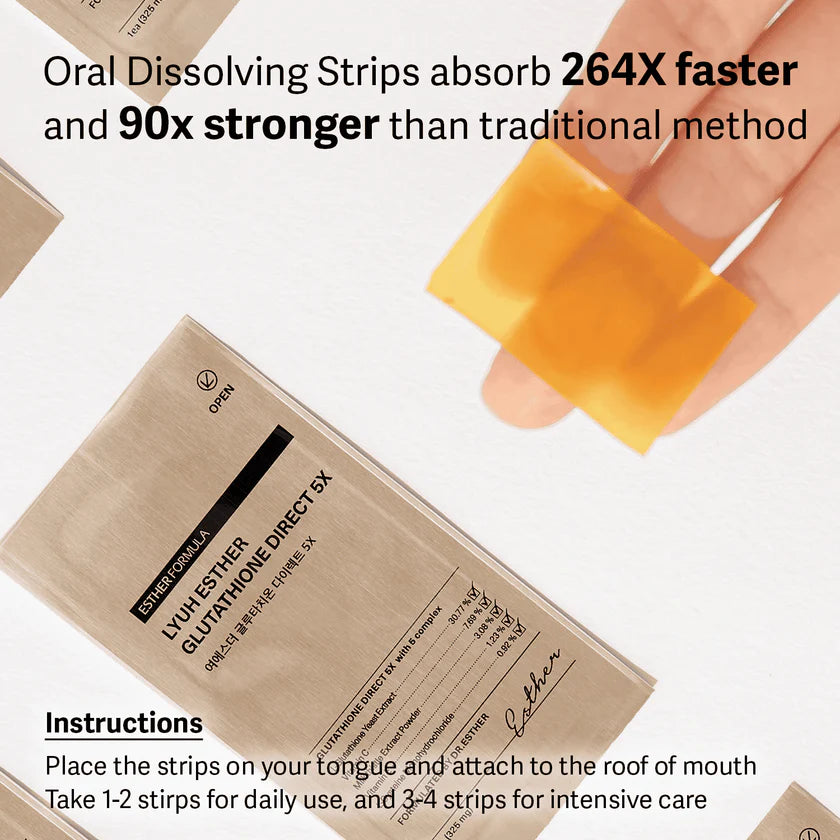
![[Esther Formula] Glutathione Direct Film 5x](https://global.gochujar.com/cdn/shop/files/EstherFormula-3a.jpg?v=1701142599)
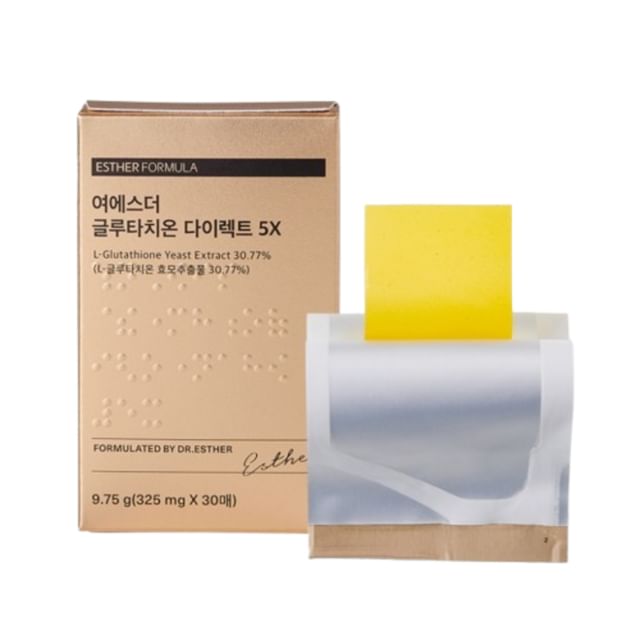
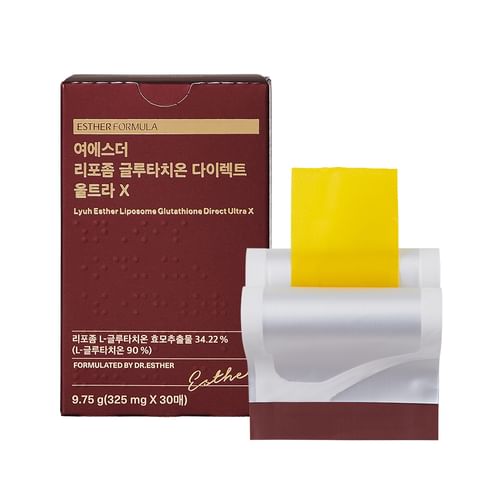
![[Esther Formula] Liposome Glutathione Direct Ultra X](https://gochujar.com/cdn/shop/files/Esther-Formula-Direct-Ultra-X_2048x.jpg?v=1718708712)

![Esther Formula] Glutathione Direct Film 5x – Gochujar Global](https://global.gochujar.com/cdn/shop/files/Direct-3.jpg?v=1701142599)