Mast Cell Activation Syndrome Treatment Conventional treatment for mast cell activation syndrome generally involves the use of pharmaceutical and over-the-counter medications to alleviate symptoms, such as the following medications: Epinephrine (such as an EpiPen) for severe reactions First generation H1 blockers diphenhydramine (Benadryl) and hydroxyzine (Vistaril) Second generation H1 blockers, including loratadine (Claritin), cetirizine (Zyrtec), and fexofenadine (Allegra) H2 blockers, such as ranitidine (Zantac) and famotidine (Pepcid) Aspirin, to block production of prostaglandin D2 and reduce flushing
Vitamin B12 deficiency can lead to severe health consequences, including megaloblastic anemia and neurological disorders, as noted by medical professionals
Clinical trials confirmed that AOD-9604 has no negative impact on glucose metabolism, representing a significant safety advantage for individuals with metabolic concerns
Is G H A copper
You may also like Save $13 Select options This product has multiple variants
Common B12 Deficiency Symptoms: Persistent brain fog and cognitive decline affecting daily performance Chronic fatigue unrelieved by rest or lifestyle modifications Migraines and neurological symptoms including neuropathy Depression , anxiety, and seasonal affective disorder Memory loss and increased risk of dementia and Alzheimers Digestive issues and compromised immune system function Infertility and reproductive health complications Medical Conditions and Risk Factors Numerous medical conditions significantly increase the risk of B12 deficiency by interfering with absorption, utilization, or storage of this essential vitamin




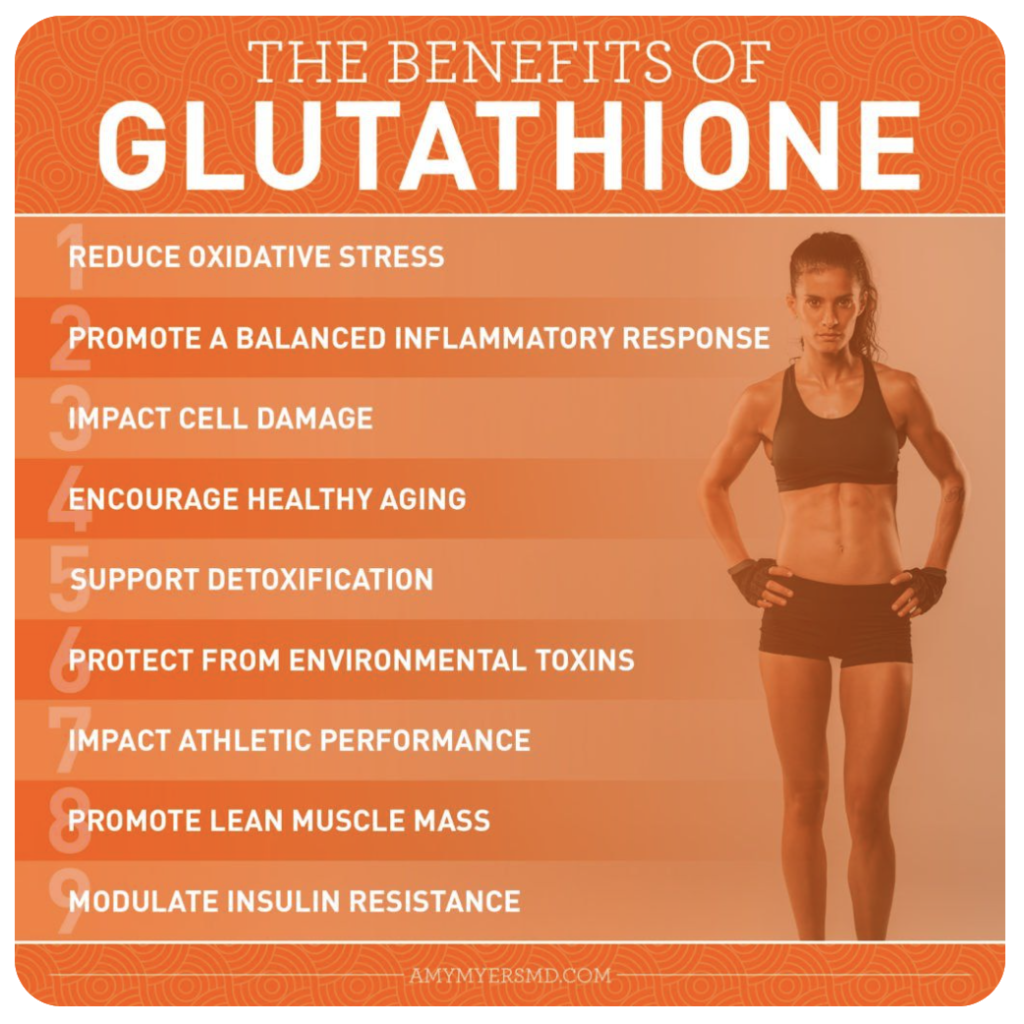
:max_bytes(150000):strip_icc()/benefits-of-glutathione-89457_final-01-502464fe91b2444285b0cccf8cb0a33c.png)