Patient monitoring should include: Baseline lipid panel, hemoglobin A1c, and liver function tests Blood pressure monitoring (GLP-1 agents typically reduce systolic BP by 3-5 mmHg) [10] Assessment for gastrointestinal adverse effects during dose titration Evaluation for contraindications (personal or family history of medullary thyroid carcinoma, multiple endocrine neoplasia syndrome type 2) [1] [3] Monitoring for gallbladder disease (increased risk with rapid weight loss) In patients with diabetes and retinopathy, monitoring for worsening eye symptoms, particularly with rapid glycemic improvement Renal function assessment, especially if severe gastrointestinal symptoms cause dehydration Patients should seek immediate medical attention for severe abdominal pain, which may indicate pancreatitisa rare but serious adverse effect
MAOIs include Emsam (selegiline), Nardil (phenelzine), Marplan (isocarboxazid), ProvayBlue (methylene blue), and Parnate (tranylcypromine)
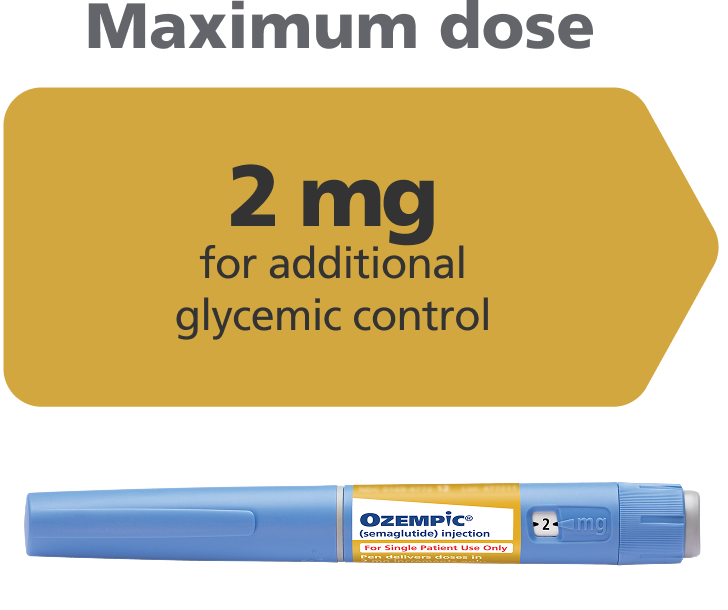
Ozempic, a GLP-1 receptor agonist prescribed for type 2 diabetes in the UK, works by enhancing insulin secretion, suppressing appetite, and slowing digestion
Ready for physician-led support
Certain foods might naturally make these symptoms worse
Semaglutide showed a lower risk of the secondary composite endpoint of heart failure hospitalization or urgent heart failure visit compared to sitagliptin in the expanded populations (HR 0.61, 95% CI 0.57 to 0.66)

















:max_bytes(150000):strip_icc()/benefits-of-glutathione-89457_final-01-502464fe91b2444285b0cccf8cb0a33c.png)