Standard diets do not address GLP-1 signaling, insulin resistance, or the hormone imbalances that may be the actual root cause
The second study found that systemic exenatide or the DPP4 inhibitor sitagliptin decreased intravenous nicotine selfadministration in mice and that GLP1 receptor knockout mice, that is, mice lacking GLP1 receptors, selfadministered more nicotine than the wildtype controls (Tuesta et al., 2017)
Patients often hear that these peptides may support injury recovery, tendon healing, inflammation balance, or tissue repair
They require medical supervision, with NICE providing specific guidance on their use in type 2 diabetes (NG28) and obesity
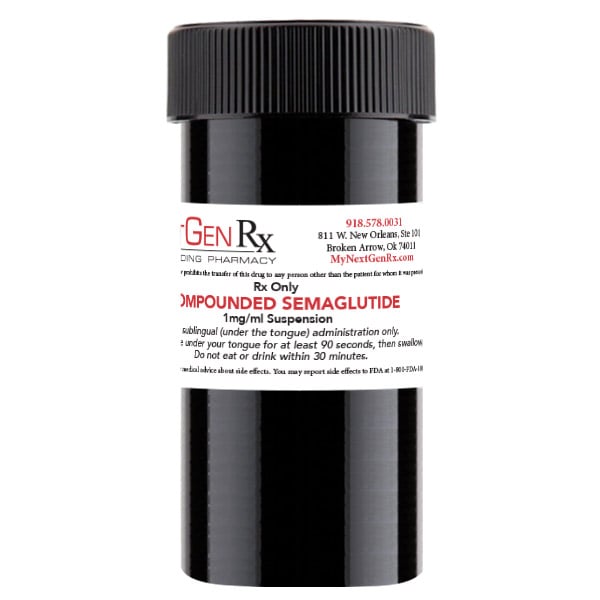
Patients love how easy this is to use compared to injectable peptides
Exenatide decreases liver fat content and epicardial adipose tissue in patients with obesity and type 2 diabetes: a prospective randomized clinical trial using magnetic resonance imaging and spectroscopy