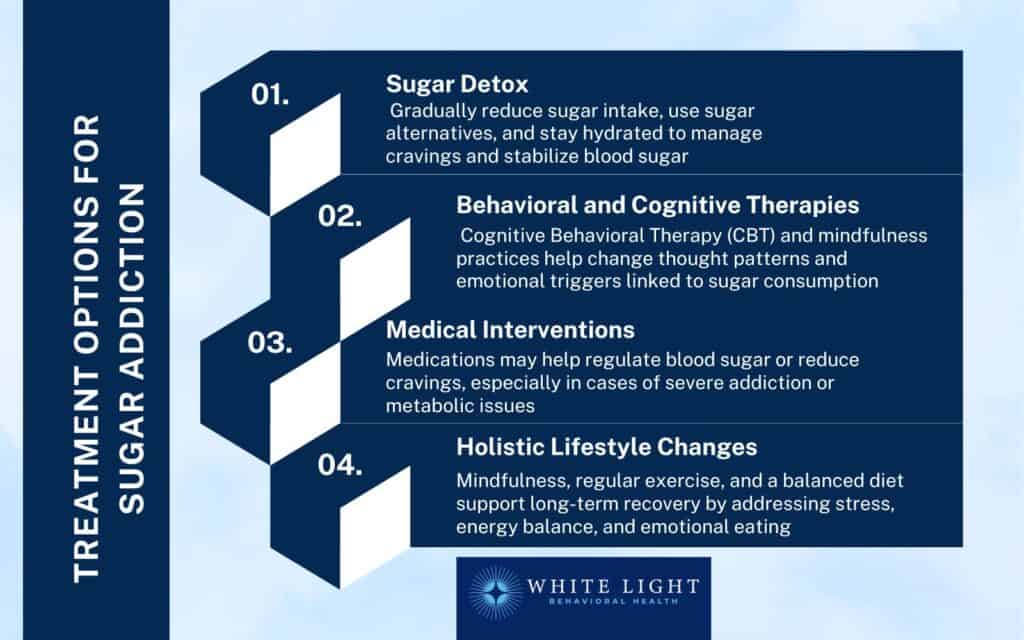
Behavioral treatments, based on principles of behavioral and cognitive psychology, attempt to bolster smokers self-control over their smoking behavior by helping them change unhelpful cognitions (i.e., thoughts, beliefs, and attitudes) and by structuring efforts to change smoking behavior through a range of techniques such as goal setting (e.g., setting a quit day), self-monitoring (e.g., record keeping to identify times and places where at which someone smokes), rewards, and skills training to help smokers learn, practice, and implement techniques to help them resist urges to smoke after quitting (81)
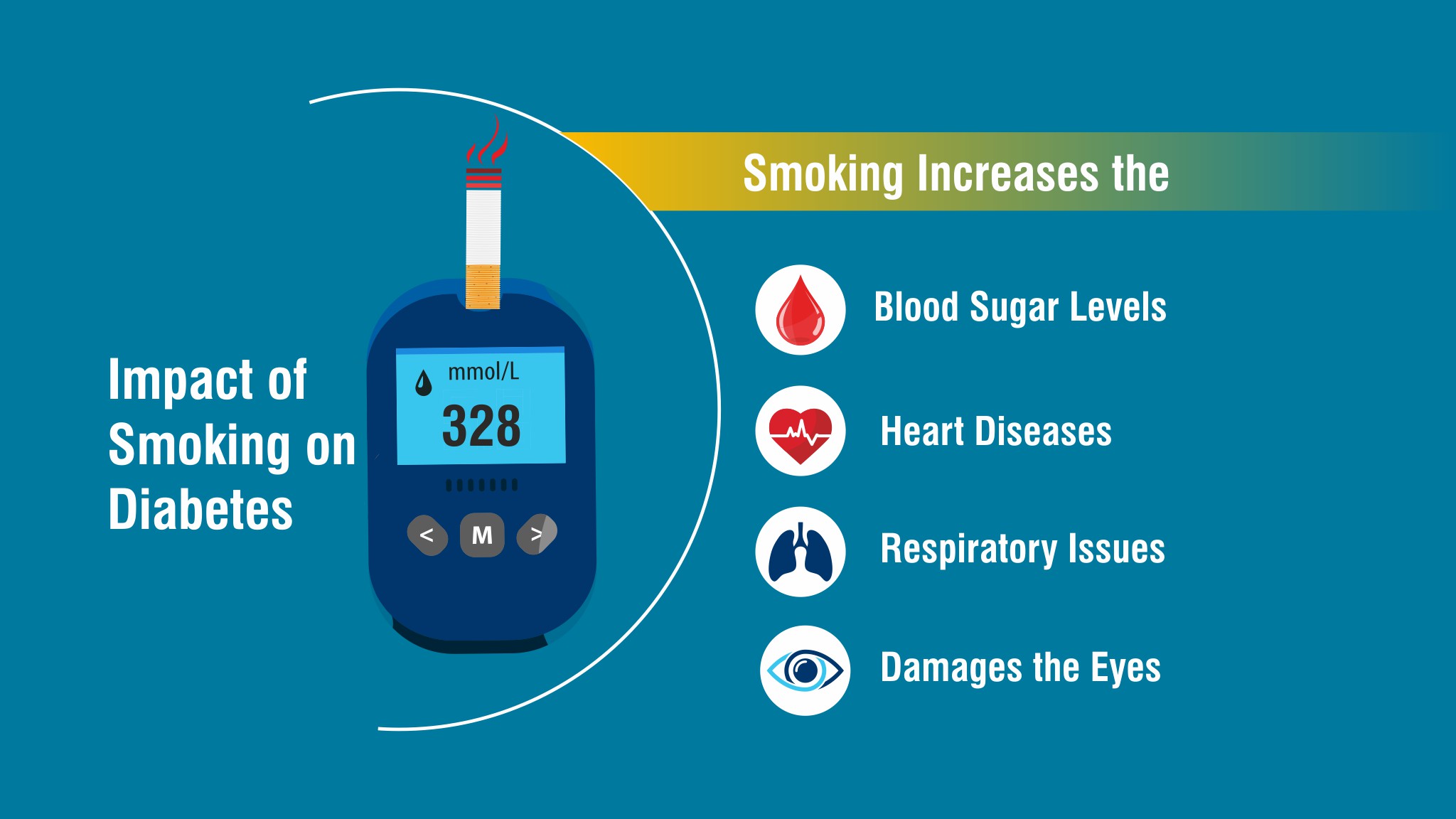
Youre also at an increased risk of worsening heart disease if youve already had heart bypass surgery, a heart attack, or a stent placed in a blood vessel
14-415.11 with written permission from the US Army Corps of Engineers Wilmington District Commander (or designee)
Accessed August 18, 2014
Even though this might sound silly, a peeled potato is a good nicotine remover for people with sensitive skin
For many, especially those of us in Europe, the majority of raw cannabis flower is smoked with tobacco